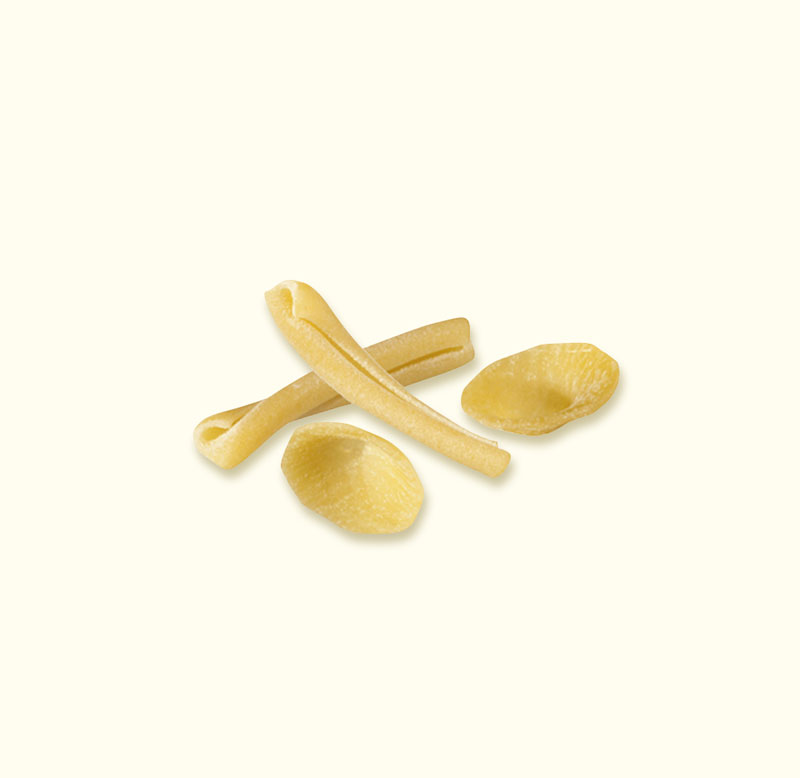
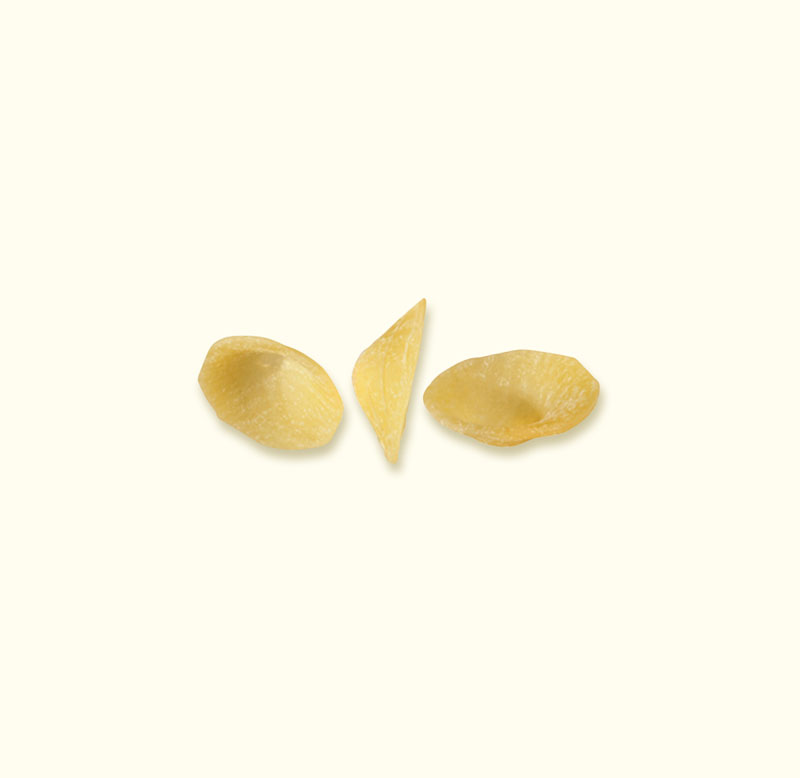
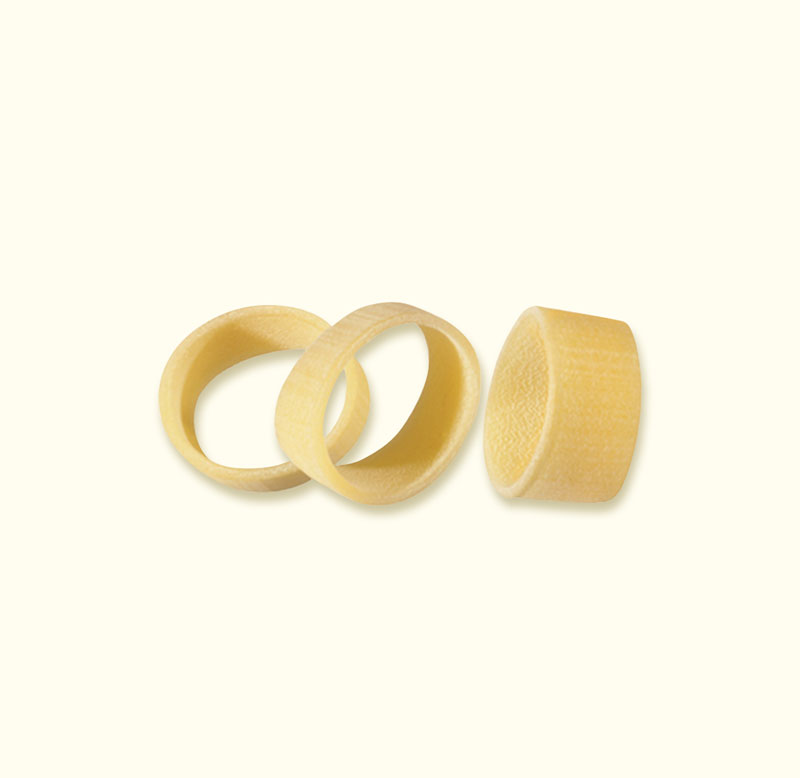
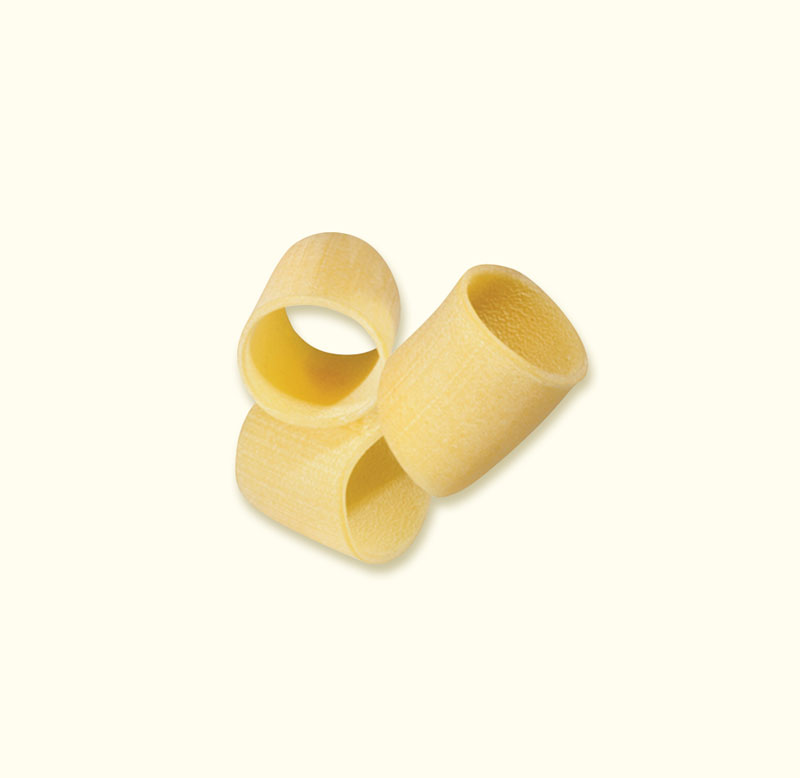
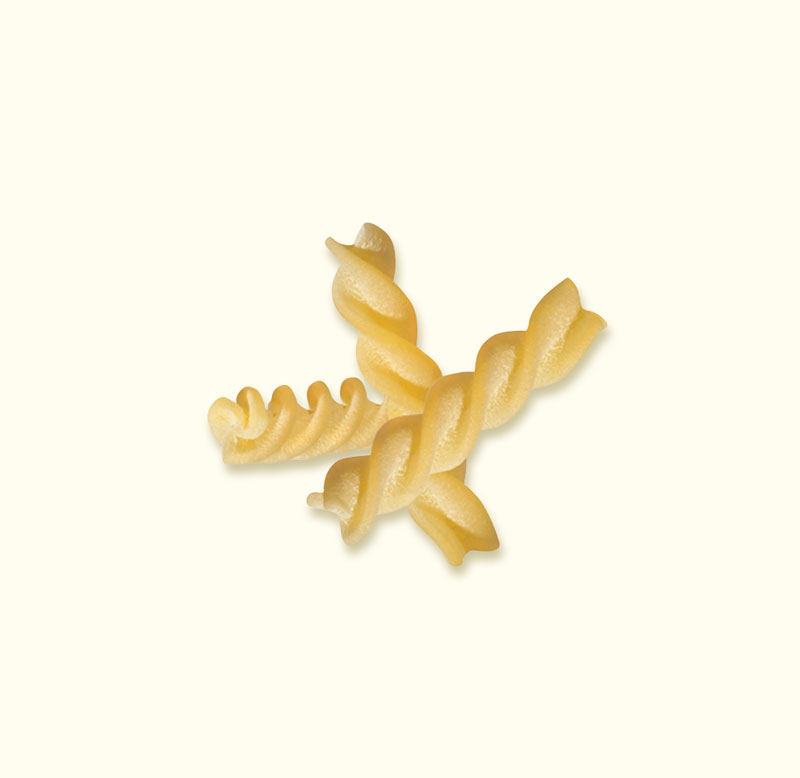
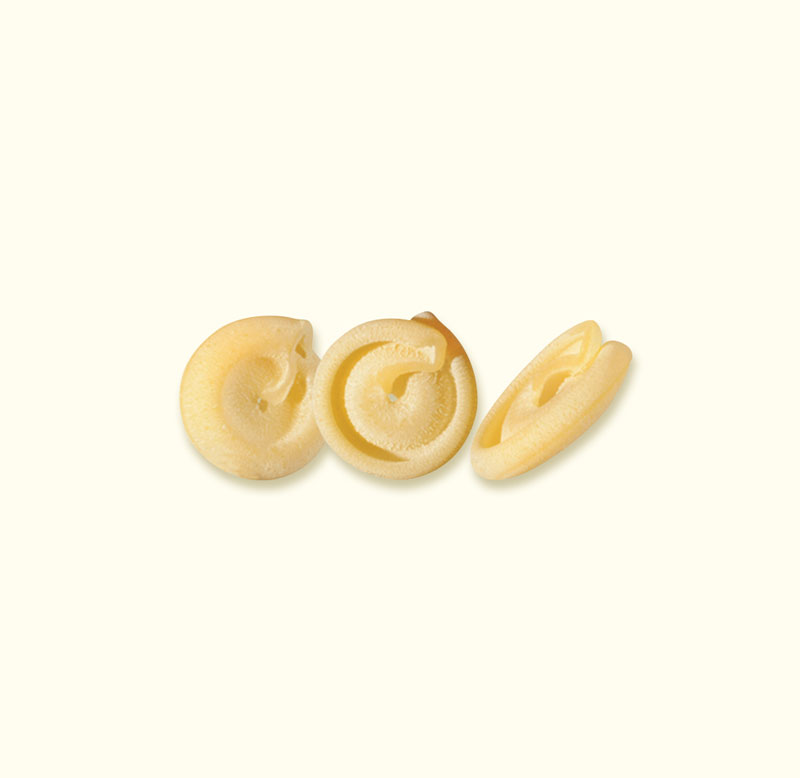
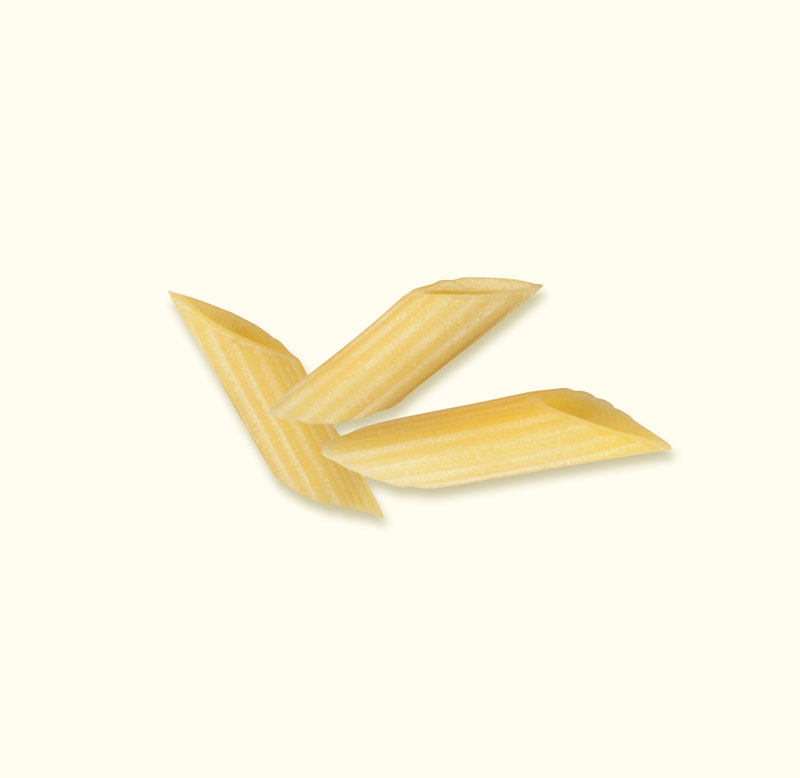
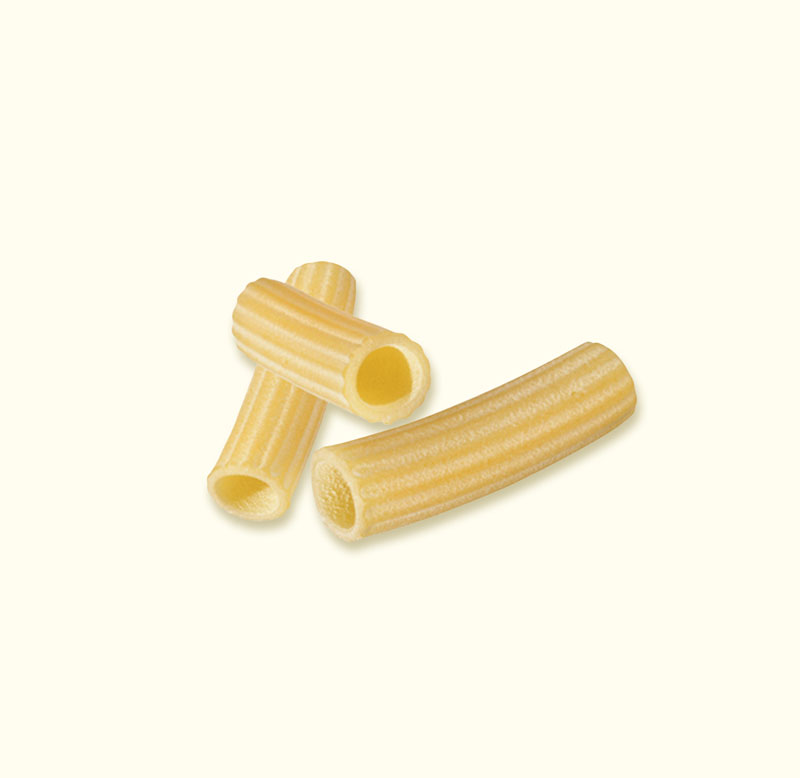
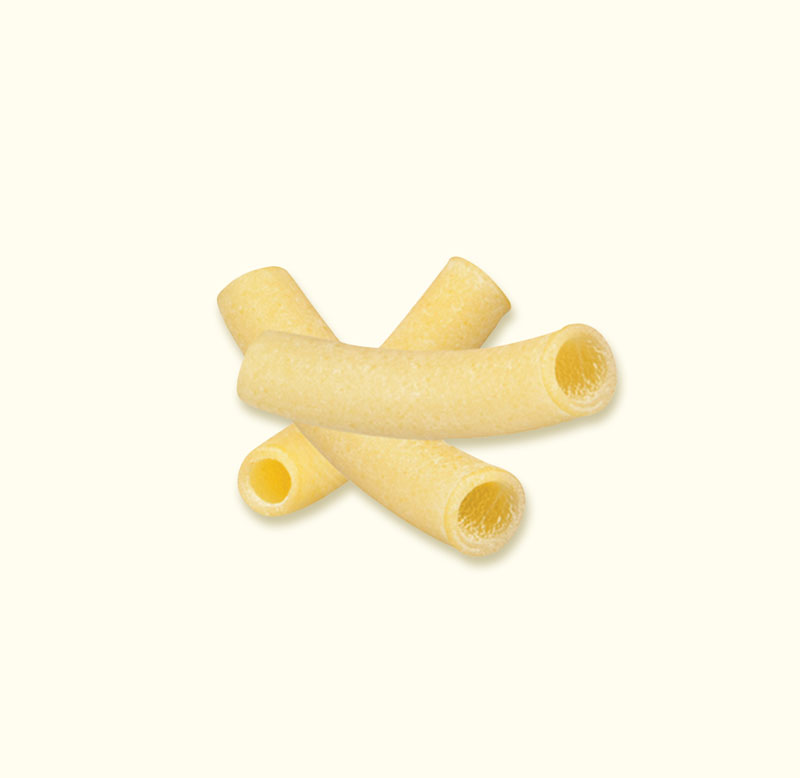
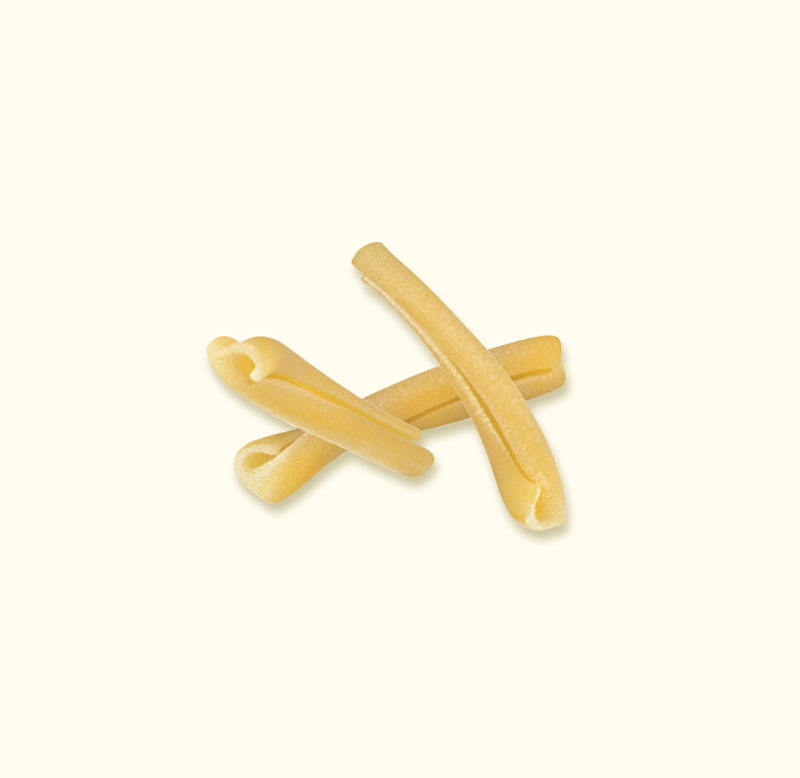
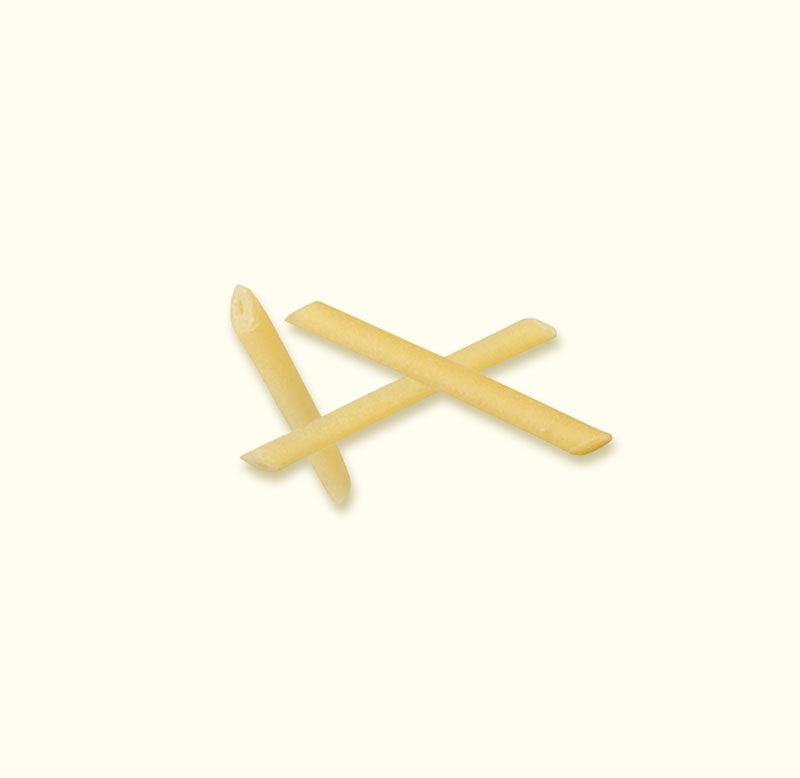
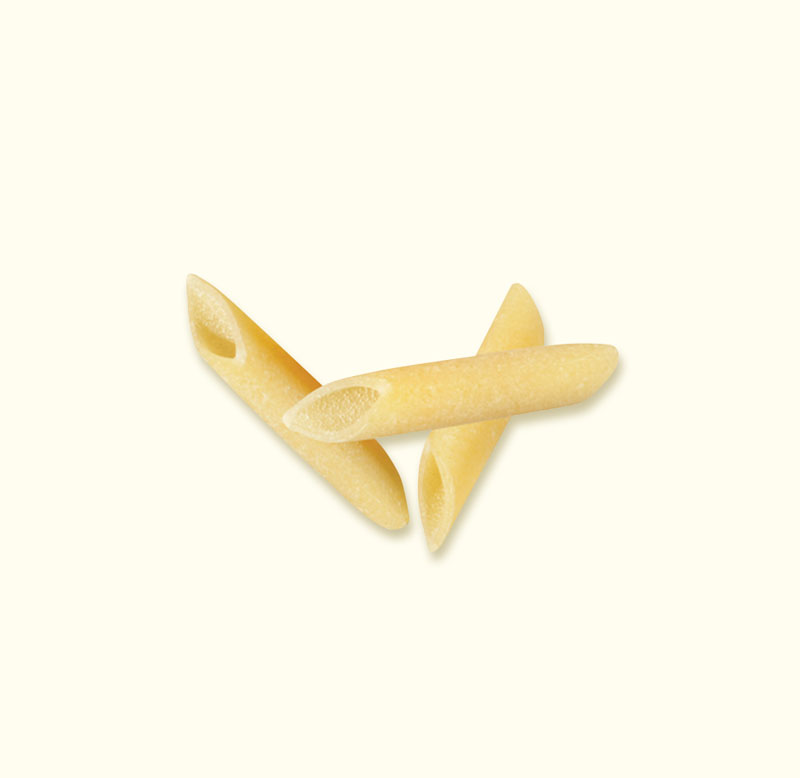
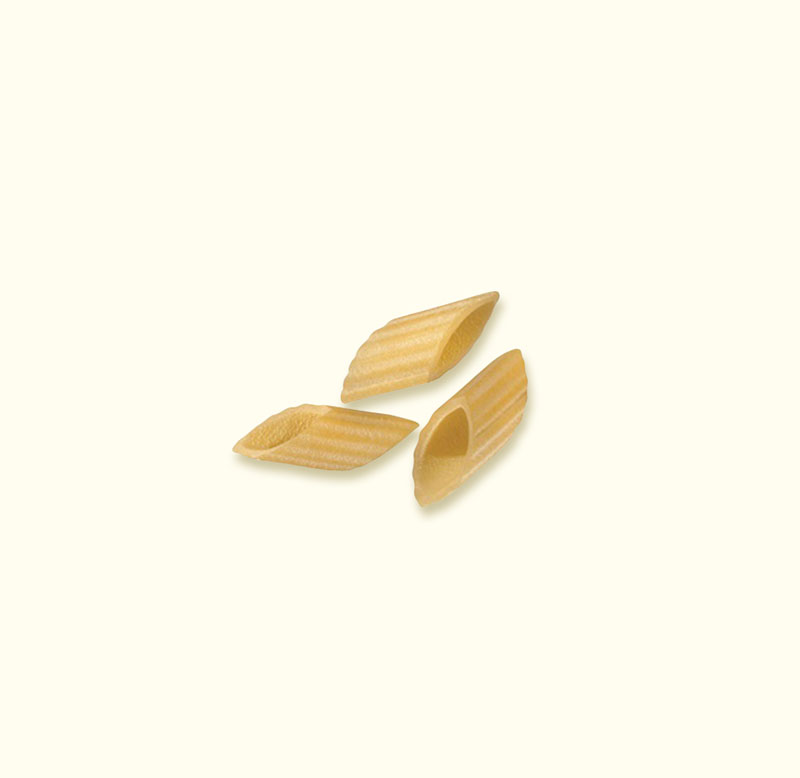
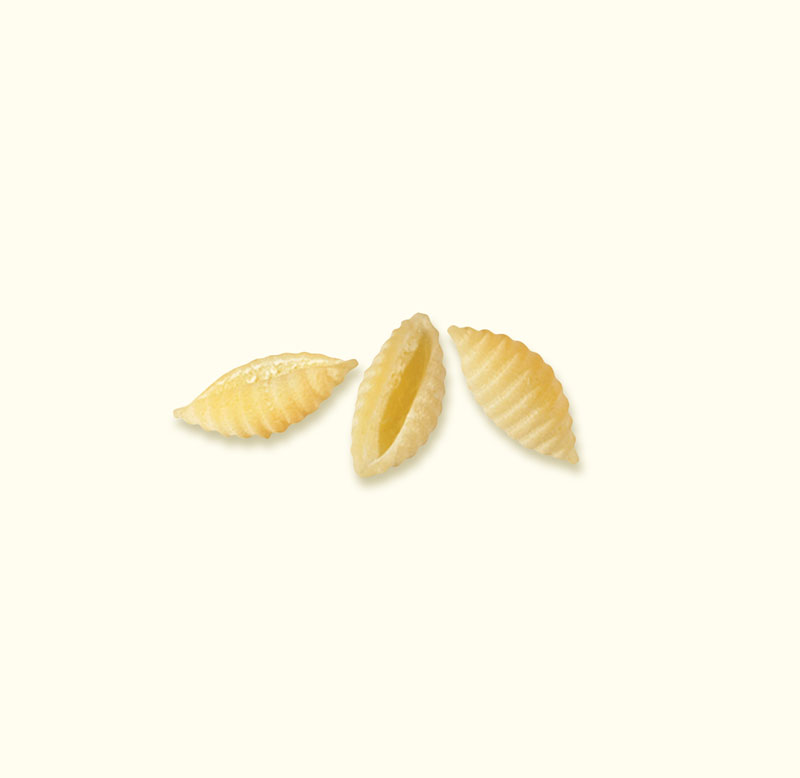
The short shapes of Benedetto Cavalieri durum wheat semolina pasta, a true expression of Italian gastronomic ingenuity, offer a wide variety in terms of shape, thickness, and meatiness, providing great versatility in pairings and a consistently distinctive character. Shapes suited both to everyday dishes and to richer, more elaborate recipes.
Benedetto Cavalieri short durum wheat semolina pasta brings together shapes designed to enhance rich condiments, full-bodied sauces and preparations from Italian cuisine, from everyday recipes to more gastronomic dishes. Selected durum wheat, bronze drawing and low-temperature drying create a rough, consistent pasta capable of blending perfectly with the sauce.
Short pasta is ideal when the condiment needs to enter, adhere to or be collected inside the shape. Ridges, cavities, thickness and geometries are not simply aesthetic details, but functional elements: they allow the pasta to hold sauces, creams, ragù, vegetables and ingredients in pieces, creating a more balanced result in the dish.
High-quality short pasta should offer three essential qualities: structure, porosity and an excellent ability to blend with the condiment. Durum wheat semolina provides structure thanks to its vegetable proteins; bronze drawing gives the surface greater roughness; slow low-temperature drying helps preserve the aroma and natural qualities of the raw material. The result is an open, consistent pasta, ready to welcome the sauce perfectly.
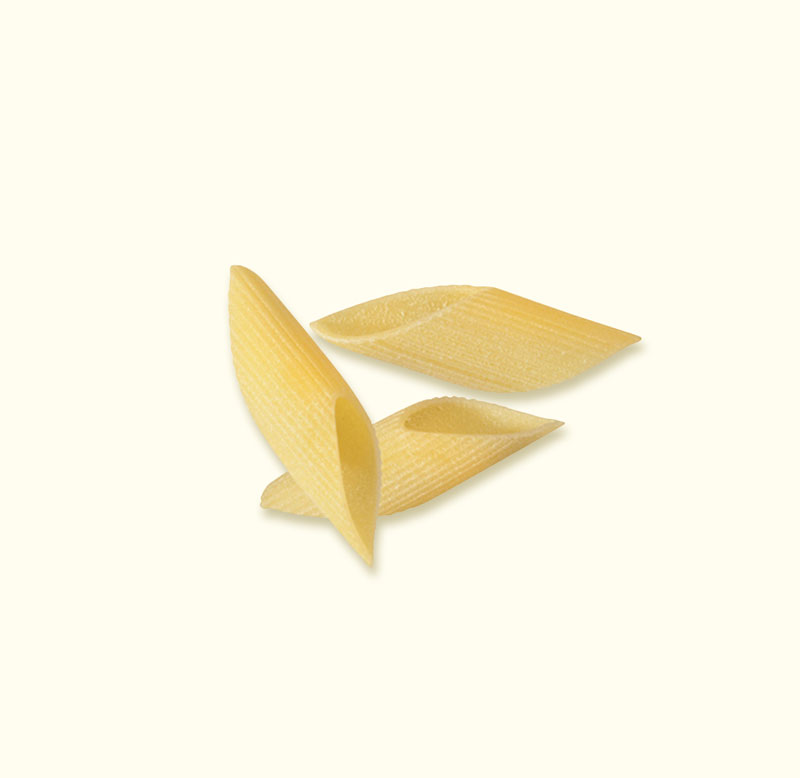
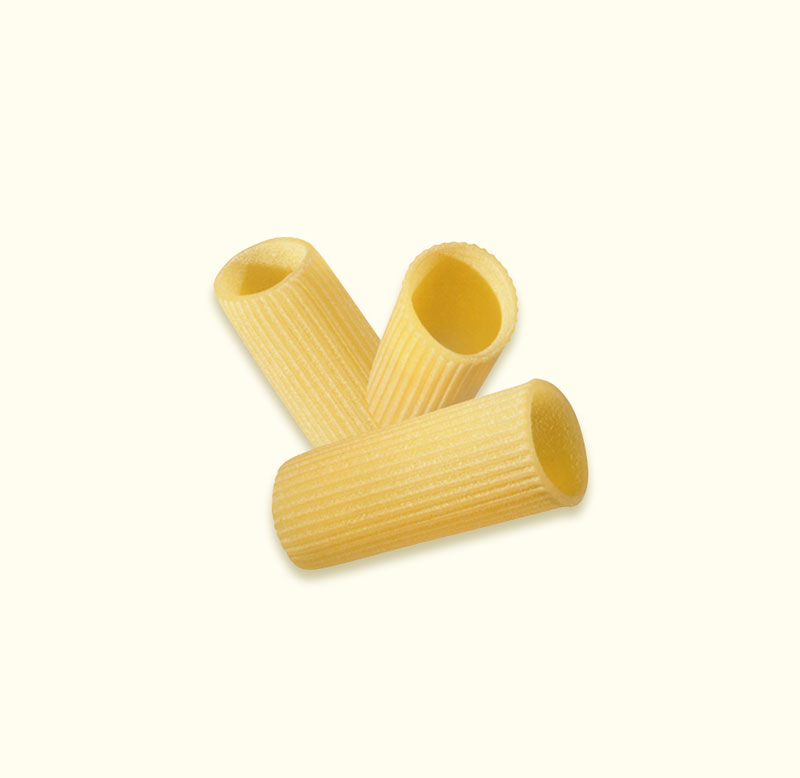
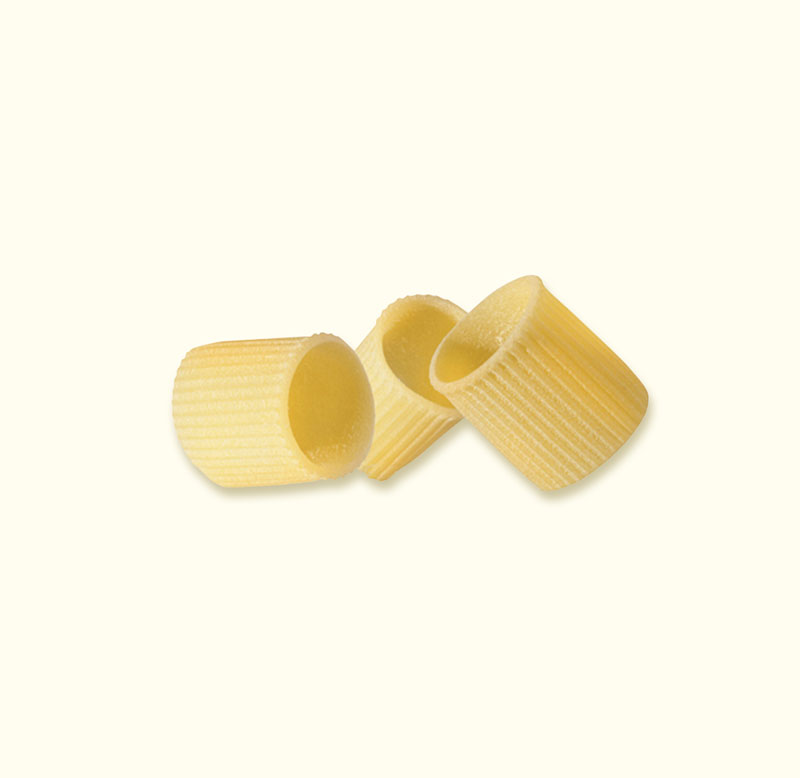
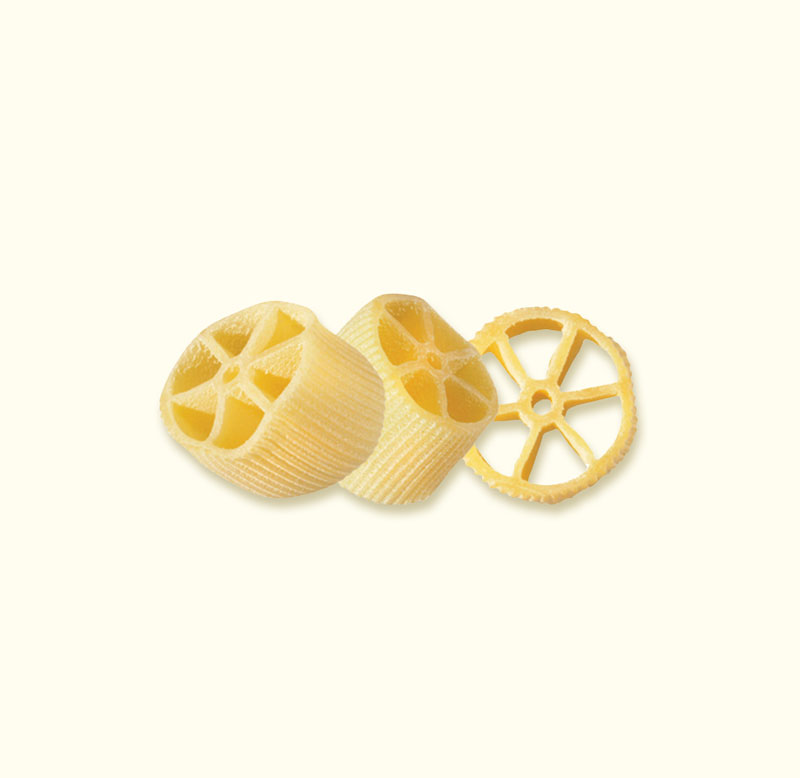
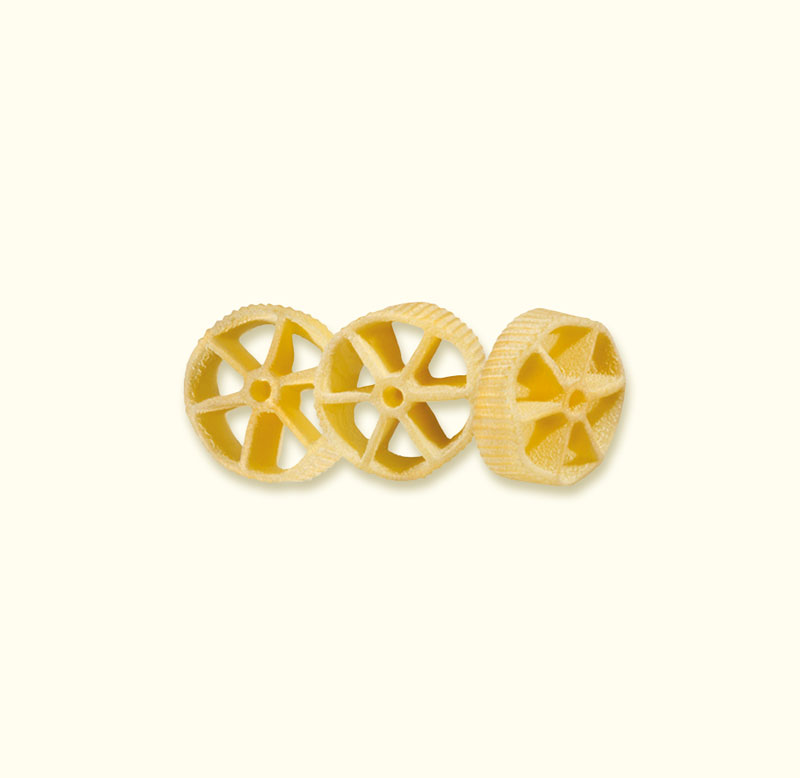
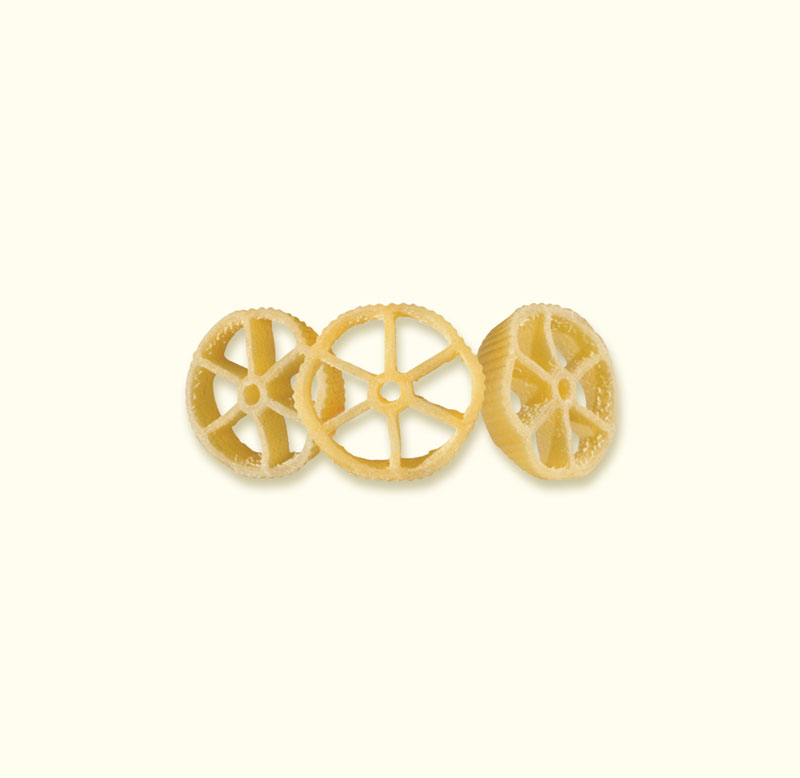
Shapes such as Mezze Maniche, Rigatoni, Penne Rigate and Ruote Pazze are ideal for dense, structured sauces. The hollow shape holds the condiment, the ridges increase the contact surface and the generous thickness enhances the texture when bitten. These shapes are especially suitable for ragù, creamy sauces, vegetables, cheeses and full-flavoured preparations.
To choose the most suitable shape, it is important to start from the final result you want to achieve, finding the right balance between pasta and condiment. For creamy preparations or cheese-based sauces, shapes that collect and hold the sauce well, such as Ruote Pazze or Dischi Volanti, are ideal. For ragù and vegetables cut into pieces, shapes with cavities, ridges or irregular surfaces are particularly useful. With legumes, soups and broths, smaller shapes such as Tubetti and Risoni create a harmonious and pleasant balance.